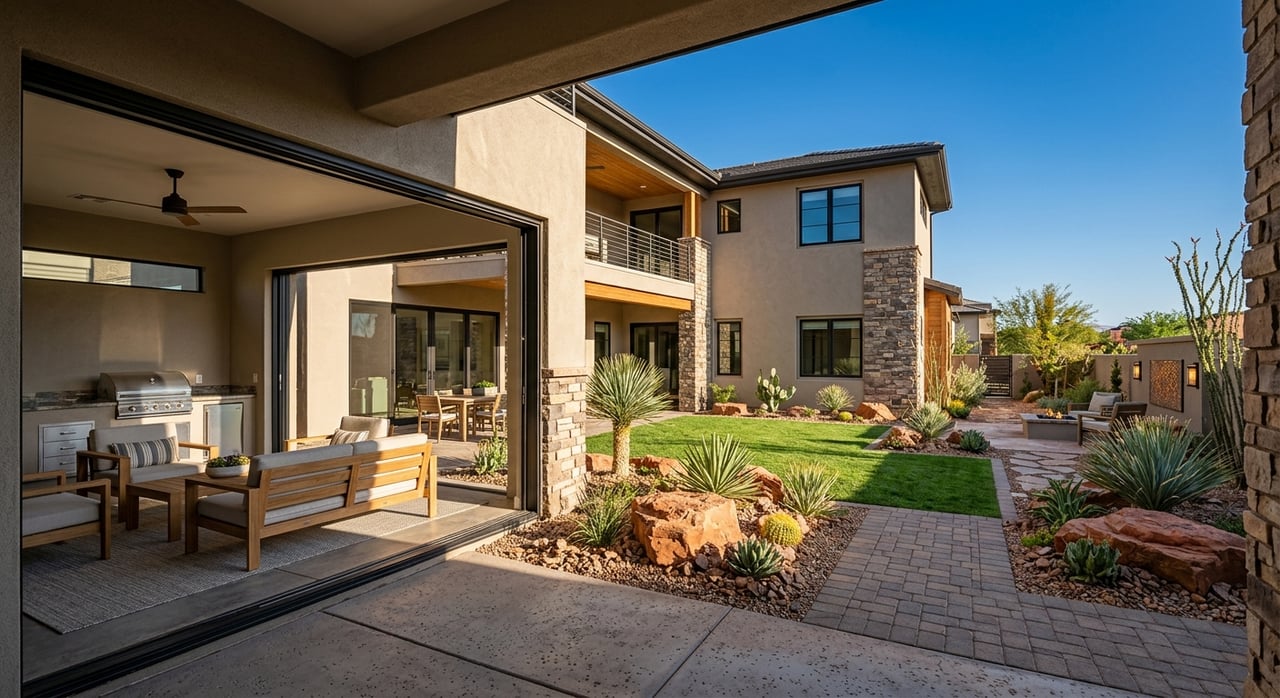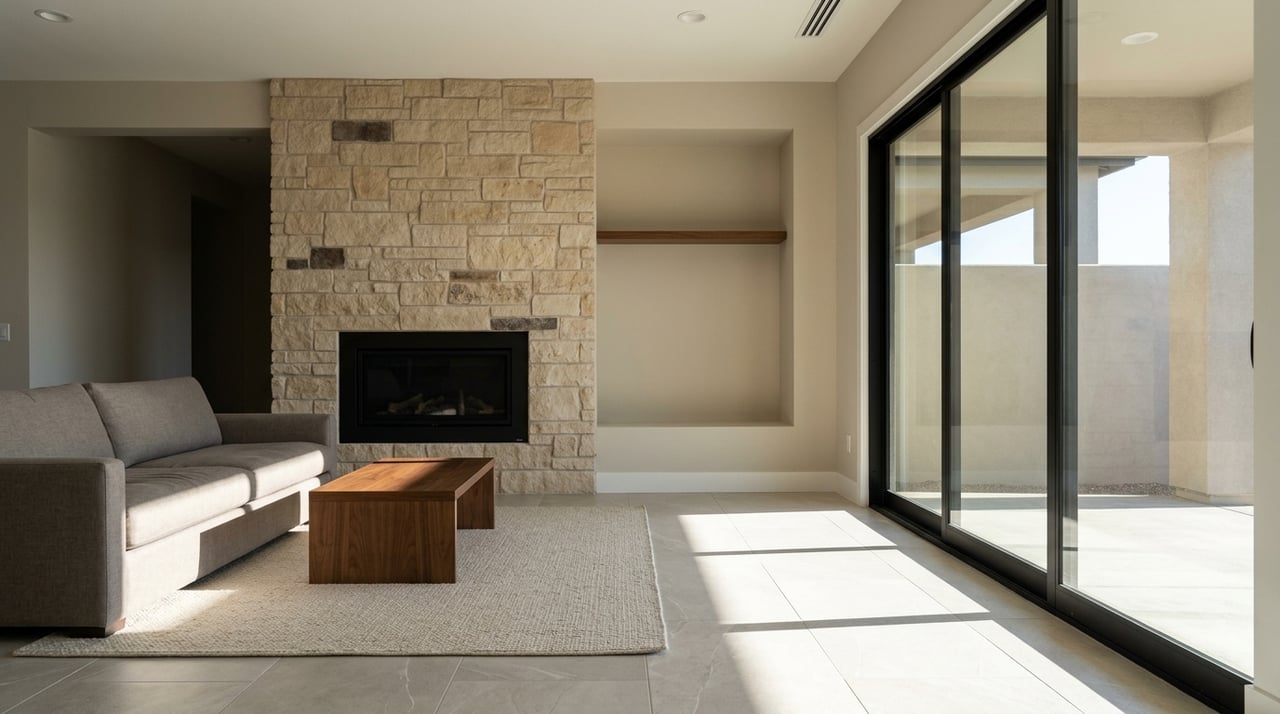
Selling a home in Greater St. George can feel exciting, but it also comes with a lot of moving parts. You want to price it right, prepare it well, attract serious buyers, and avoid surprises once you are under contract. This guide walks you through what the listing process typically looks like in the St. George area, what timelines to expect, and which Utah-specific details matter most so you can move forward with confidence. Let’s dive in.
Greater St. George market conditions
If you are listing in Greater St. George, the current market pace matters. In Washington County’s February 2026 MLS snapshot, there were 2,162 homes for sale, 5.5 months of supply, a median sales price of $512,990, and about 85 days on market year-to-date.
That data points to a market that is more balanced than an extremely tight seller market. Homes are still selling, but buyers often have more options and more time to compare properties. That is why pricing accuracy and a strong launch can make a real difference.
Sellers in this kind of market often benefit from doing more upfront work before the home goes live. A polished presentation, a clear pricing strategy, and a coordinated first week on market can help your home stand out instead of blending in.
Your listing process step by step
Start with a consultation and pricing plan
A listing usually starts with a conversation about your home, your timing, and your goals. MarketPro Real Estate highlights both an instant property valuation tool and a free consultation, with Jared B. Bowler serving as the local point person for sellers in Greater St. George.
From there, sellers typically receive a comparative market analysis within 1 to 3 days. That pricing review helps you understand how your home fits into current market conditions and supports the next decision, whether you move forward with a traditional listing strategy or compare it with the 72SOLD option.
This stage is important because pricing shapes everything that follows. In a market where homes are selling at about 95.2% of original list price year-to-date, overpricing can make your listing harder to reposition later.
Prepare the home for market
Once you decide to list, prep begins. MarketPro’s selling guidance says this often includes decluttering, deep cleaning, small repairs, curb appeal touch-ups, and staging.
For many sellers, this prep window takes anywhere from a few days to 2 weeks. The exact timing depends on your home’s condition, your schedule, and how much work needs to be done before photos.
Staging is often scheduled 1 to 2 weeks before photography and launch. Even when a home does not need full staging, thoughtful presentation can help rooms feel cleaner, brighter, and more functional in person and online.
What marketing materials to expect
Professional photos and visual assets
In Greater St. George, online presentation is often the first showing that matters. MarketPro says sellers should expect high-resolution interior and exterior photos, aerial images when appropriate, a floor plan, a 3D tour, and a dedicated property page.
Photo delivery is often fairly quick, usually within 24 to 72 hours. Floor plans and 3D tours may take several days to a week, depending on scheduling and production timelines.
This part of the process matters because buyers often decide whether to visit a home based on the first few seconds of viewing it online. Strong media can help your property make a sharper first impression and support the asking price.
Listing launch and early exposure
Once the listing is ready, the launch phase begins. MarketPro says it syndicates listings through the MLS to major consumer portals and broker sites, then adds paid social and search ads, email outreach to buyer lists, and a shareable property link.
That means the first several days on market often carry extra weight. A coordinated launch is designed to concentrate attention early, when a new listing tends to get the most interest.
For you as a seller, this is the point where preparation starts to pay off. If your pricing, presentation, and marketing are aligned, your listing has a stronger chance of generating quality showings and better early feedback.
Traditional listing vs. 72SOLD
How a traditional listing works
A traditional listing usually follows the familiar sequence of prep, photography, launch, showings, offers, negotiation, and closing. This path may suit sellers who want flexibility on timing or who prefer a more standard on-market process.
In a measured market like Greater St. George, a traditional listing can work well when the home is priced carefully and launched with a strong presentation. It also gives room to adjust strategy if buyer response shifts after the first week or two.
How the 72SOLD option differs
MarketPro also offers the 72SOLD path, which it describes as a compressed launch process, often built around a single weekend followed by a set offer deadline. The goal is to create concentrated buyer attention over a shorter timeline.
It is important to view 72SOLD as an option to compare, not a guaranteed outcome. MarketPro publishes performance claims about the program, but sellers should review the written terms, fees, timeline, and expected net proceeds before choosing between a compressed launch and a traditional listing.
A good way to compare the two is to ask for the pricing rationale, prep checklist, media plan, paid advertising approach, and written program terms. That gives you a clearer side-by-side view based on your property and goals.
Showings, offers, and negotiation
What happens after your home goes live
After launch, you should expect showing activity, buyer questions, and feedback from the market. Some homes generate quick interest, while others need more time, especially with about 85 days on market year-to-date across Washington County.
This is where responsive communication matters. Feedback from showings can help shape pricing conversations, marketing adjustments, or offer strategy if the market response is slower than expected.
What an offer includes in Utah
In Utah, buyer due diligence, appraisal, financing, and settlement deadlines are negotiated in the state-approved Real Estate Purchase Contract. That means an offer is about more than just price. The timing and conditions inside the contract matter too.
As a seller, you will want to review not only the offered price, but also the buyer’s financing strength, due diligence timelines, and proposed closing schedule. A strong offer is the one that best supports your overall goals, not always the one with the highest headline number.
Utah disclosures sellers should expect
Core seller disclosures
Utah sellers should be ready to provide a property condition disclosure and other required documents by the Seller Disclosure Deadline in the contract. The Utah REPC also requires specific supporting items when applicable.
These can include:
- Lead-based paint disclosure for homes built before 1978
- Commitment for title insurance
- CC&Rs and association rules
- HOA minutes, budget, and financials, if applicable
- Tenant leases
- Short-term rental booking schedules
- Property management agreements
- Evidence of water rights or water shares, when applicable
- Written notice of known environmental or zoning code issues
Utah’s purchase contract also states that a seller must disclose known defects that materially affect value and are not discoverable by a reasonable inspection. In plain terms, if you know about a significant issue, it is better to address it clearly and on time.
Utah meth contamination disclosure rule
Utah law separately requires disclosure if an owner has actual knowledge that a property is contaminated due to the use, storage, or manufacture of methamphetamines. This is a specific statutory disclosure duty and should not be overlooked.
If you have questions about whether a condition needs to be disclosed, the best move is to raise it early during the listing process. Clear disclosure helps reduce the risk of delays or disputes later.
Title, escrow, and closing in Utah
Who handles closing
In Utah, title agencies typically perform the title search, prepare closing documents, and manage the closing process. At settlement, the closing or escrow office uses sale proceeds to pay seller-side obligations.
This is one of the final stages of the process, but it starts taking shape well before closing day. Once you are under contract, the title and escrow timeline works alongside the contract deadlines for due diligence, appraisal, financing, and settlement.
Can you choose the title company?
Yes. In Utah, buyers and sellers can choose the title agency, and the sale cannot be conditioned on using a specific company.
That is helpful to know early, especially if the other side proposes a title company during negotiations. It gives you room to ask questions and make an informed decision.
Who usually pays for title insurance?
According to the Utah Insurance Department, the seller usually pays for the buyer’s owner’s policy. When there is financing, the buyer usually pays for the lender’s policy.
Costs can still vary depending on the terms of the transaction, so it is wise to review these items carefully when you go over the contract and estimated closing figures.
How long the full process may take
A realistic listing timeline
In many cases, prep takes a few days to 2 weeks. Photography is often delivered in 24 to 72 hours, while floor plans and 3D tours can take several days to a week.
After your home is listed, the time to receive an acceptable offer can vary based on pricing, condition, and market response. Once you accept an offer, many financed closings take about 30 to 45 days, depending on inspections, appraisal, and lender timing.
That means your full timeline from consultation to closing can be relatively quick or stretch longer depending on your property and the market. A realistic plan, strong communication, and a well-organized launch can help the process feel much more manageable.
Questions to ask before you sign
Before you choose a listing path, ask for the key details in writing. MarketPro specifically recommends reviewing the prep and staging checklist, media deliverables and dates, MLS copy and pricing rationale, paid advertising budget and target audience, and any written 72SOLD terms or fees.
Those questions help you compare your options based on likely net proceeds and process clarity, not just promises. They also give you a better sense of how the listing will actually be handled once you are committed.
Selling in Greater St. George does not have to feel uncertain when you know what is coming next. With accurate pricing, solid preparation, strong marketing, and a clear understanding of Utah’s disclosure and closing process, you can move from listing to closing with more confidence and fewer surprises. If you are thinking about your next move, connect with MarketPro Real Estate LLC. to explore your home’s value and the listing strategy that fits your goals.
FAQs
How long does it take to sell a home in Greater St. George?
- Prep often takes a few days to 2 weeks, and many financed closings take about 30 to 45 days after acceptance. Market-wide, Washington County homes were averaging about 85 days on market year-to-date in the February 2026 MLS snapshot.
What disclosures do Utah home sellers need in St. George?
- Utah sellers commonly need a property condition disclosure, plus items such as a lead-based paint disclosure for pre-1978 homes, title commitment, HOA documents if applicable, leases, water rights information when applicable, and notice of known material defects or certain environmental or zoning issues.
Is 72SOLD guaranteed to get a higher price in Greater St. George?
- No. MarketPro presents 72SOLD as a compressed launch option, and any program performance claims should be viewed as claims rather than guarantees. You should compare the written terms, fees, and expected net proceeds against a traditional listing.
Do home sellers in Utah get to choose the title company?
- Yes. Utah allows buyers and sellers to choose the title agency, and a sale cannot be conditioned on using a specific title company.
What should sellers review before listing a home in St. George?
- You should review the pricing rationale, prep checklist, staging plan, media deliverables, launch timeline, paid advertising approach, and any written 72SOLD terms or fees so you know exactly how your home will be marketed.