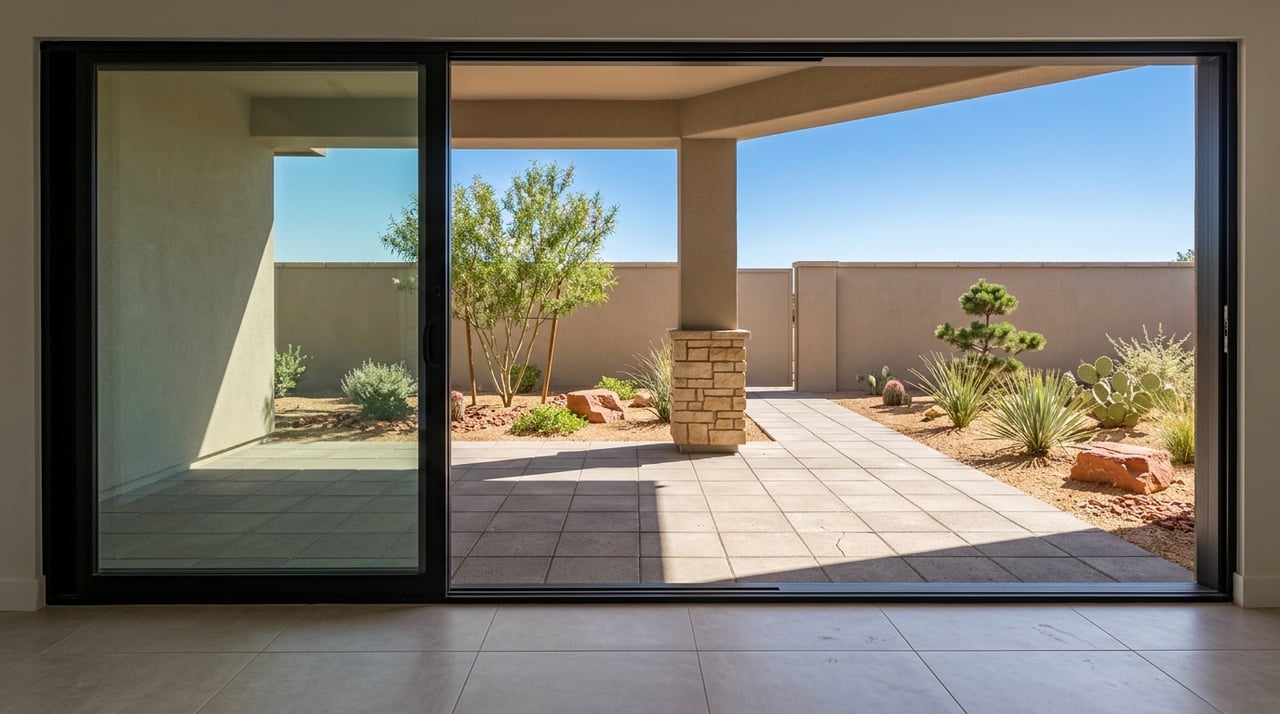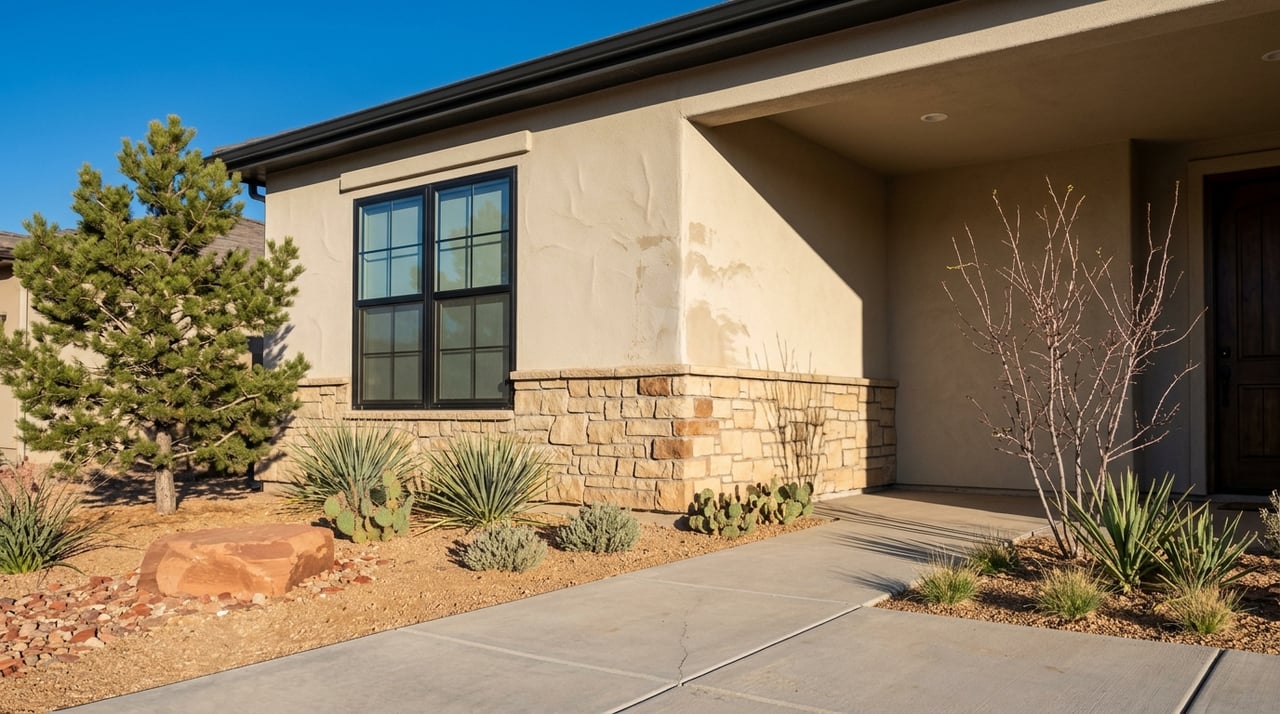
Thinking about buying in Cedar City and not sure whether a brand-new home or a resale property makes more sense? You are not alone. In this market, the choice is not always about price alone, because recent local data shows meaningful overlap between new construction pricing and resale home values. If you want to make a smart move, it helps to compare timelines, maintenance, water use, and neighborhood feel before you decide. Let’s dive in.
Why This Choice Matters in Cedar City
Cedar City continues to grow, with the city planning for more housing through infill, expansion on the west, north, and south sides, and development tied to surrounding land availability. At the same time, the city notes that water availability, traffic, and job growth are key factors shaping what future development looks like.
That matters to you as a buyer because the market offers both newer communities and established neighborhoods, often at prices that are closer than many people expect. In April 2026, the median listing price in Cedar City was reported at $418,700, while Iron County’s median sale price in January 2026 was $389,700. In other words, you may find yourself comparing a builder home and a pre-owned home in a similar price range.
New Construction Options in Cedar City
Cedar City’s general plan points to several active and emerging growth areas, including Fiddler’s Canyon, the golf course area, South Mountain Drive, West View Drive, the north interchange area, and land west of the city boundary. A 2026 city notice also highlighted west-side activity near 3900 West and near Cody Drive and Cross Hollow Road, showing that new subdivision growth is active right now.
For buyers, that means new construction is not just one type of product. It includes tract-style communities, lot-and-builder opportunities, custom-build settings, and lower-upkeep attached options.
What new construction can offer
Many Cedar City builders are marketing features that appeal to buyers who want a more current layout and less early maintenance. Depending on the community, you may see open-concept floor plans, modern farmhouse or craftsman-inspired design, covered patios, front-yard landscaping, and energy-focused insulation packages.
Some communities also give you more control over the final product. Chelsey, for example, is a bring-your-own-builder community with ADU-friendly lots, while Iron Crest is framed as a custom-build subdivision with larger lots. That can be a strong fit if you want more say in the layout, finish level, or long-term use of the property.
Examples of new home communities
Here is a quick look at the types of new construction currently being marketed in Cedar City:
| Community type | Local example | Notable features |
|---|---|---|
| Entry to mid-range new homes | Rose Village | Pricing from the mid-$300s |
| Mid-range new homes | Iron West | Pricing from the mid-$400s |
| Higher-priced new homes | Painted Desert | Pricing from the low-$500s |
| New subdivision homes | Magnolia Fields | Starting at $379,900, covered patios, quartz countertops, maintenance-free exteriors |
| Bring-your-own-builder lots | Chelsey | Phase 1 lots, ADU-friendly lots, planned park and trail amenities |
| Custom-build subdivision | Iron Crest | 1/3-acre lots, phase 2 coming |
| Lower-upkeep twin homes | Ekko View Estates | Single-level twin homes, clubhouse, pickleball courts, front-yard/common-area maintenance |
This variety is important because “new construction” in Cedar City does not mean one fixed experience. You can compare turnkey homes, custom lots, and homes designed for simpler exterior upkeep depending on your goals.
What Resale Homes Offer
If you are drawn to established surroundings, resale homes may open up options that new communities cannot always match. Cedar City’s general plan points to the historic downtown and Main Street area, the university area, older established neighborhoods, hillsides, and Shurtz Canyon as places with local character worth preserving.
That gives resale buyers a broader mix of lot patterns, architectural styles, and neighborhood layouts. Instead of walking through rows of similar new homes, you may find more variety in home age, design, yard size, and street feel.
Character and location variety
One of the biggest strengths of resale inventory is choice. Cedar City’s planning documents note a broad mix of architectural styles across the city, which supports the idea that resale shopping is often more about finding the right fit than following one standard template.
You may also prefer the location pattern of older areas. The downtown corridor, roughly centered around Main Street and Center Street from 300 North to 200 South, can appeal to buyers who want older neighborhood patterns and a more connected street layout.
Maintenance and systems to review
Older homes can come with tradeoffs, and it is smart to go in with your eyes open. Some established neighborhoods may have older utility setups, mature landscaping, and irrigation features that work differently from newer subdivisions.
In Cedar City, that can be especially relevant because older neighborhoods may be served by the South and West Field Irrigation Company’s gravity-fed ditch network, which has existed since 1943. For a resale home, irrigation access, watering schedules, and landscape upkeep are worth reviewing carefully so you understand how the property functions day to day.
Water Is a Real Cedar City Factor
Water should be part of your comparison whether you buy new or resale. Cedar City states that it has a limited water supply and relies on limited watersheds and aquifers, so water use is not a small side issue here.
The city also separates culinary water from secondary irrigation water in its watering rules. It limits culinary-water irrigation during daytime hours, while secondary irrigation users are treated differently under those rules.
Why water matters for both home types
For a new home, ask how the yard will be landscaped, what water source serves the lot, and what ongoing watering rules may affect maintenance. A home with a smaller lot or maintenance-focused exterior may fit buyers who want simpler outdoor upkeep.
For a resale home, ask whether the property has access to secondary irrigation, how the existing landscape has been maintained, and whether there are any quirks tied to older irrigation systems. This is one of those very local details that can shape your monthly routine and long-term costs.
Timeline Differences: New vs. Resale
If speed matters, resale usually has the advantage. The home already exists, so your path is generally based on contract terms, financing, inspections, and closing.
New construction often takes longer because the process depends on permit review, construction progress, and final inspections. Cedar City requires permits for new residential buildings, and inspections must be scheduled through the city’s permit portal by 5 PM on the business day before the requested inspection.
What you are signing in either case
Whether you buy new or resale, the contract still deserves close attention. Typical purchase contracts may include earnest money, down payment and financing details, a proposed move-in date, a proposed closing date, and an offer-validity period.
Earnest money is often in the range of 1% to 5% of the purchase price. That means you should understand not only the price, but also the timing obligations, contingency terms, and what happens if the deal changes course.
Inspections and Warranties Still Matter
A common mistake is assuming a new home does not need an inspection. Even when a builder offers warranty protection, an independent home inspection is still strongly encouraged.
Inspectors may review the structure, plumbing, electrical, HVAC, insulation, foundation, windows, and roof. If serious defects are found, an inspection contingency may give you room to renegotiate or cancel, depending on your contract.
Builder warranties are helpful, but specific
Some Cedar City builders promote warranty coverage as part of their offering. CareFree Homes, for example, says it offers a 10-year structural warranty on homes it builds in Cedar City.
That said, warranty terms can vary, and coverage may not include every out-of-pocket cost tied to a defect or repair. The practical takeaway is simple: ask what is covered, what is excluded, how claims work, and how long each type of coverage lasts.
Financing and Appraisal Considerations
Financing can be just as important as floor plan or neighborhood choice. In a market where resale and new construction often sit in similar price bands, your monthly payment and cash needed at closing may tell you more than the sticker price alone.
Lenders may require an appraisal when you borrow to buy or refinance a home, and you may be required to pay for it. This can matter when a new construction home includes upgrades or custom selections that do not line up perfectly with appraised value.
Compare total cost, not base price
If you are looking at a builder home, ask what is included in the advertised price and what costs extra. Upgrades, lot premiums, HOA dues, and design selections can shift the total payment more than many buyers expect.
If you are comparing a resale home, think about near-term repairs, landscaping needs, and any improvements you may want to make after closing. The better comparison is not just new versus old. It is total monthly cost, expected maintenance, and how well the home fits your priorities.
Which One Fits Your Goals?
There is no one-size-fits-all answer in Cedar City, especially because the price ranges can overlap. The better choice depends on how you balance customization, timing, maintenance, and neighborhood feel.
New construction may be the stronger fit if you want updated finishes, more control over layout, and less immediate maintenance. Resale may be the stronger fit if you want an established setting, more architectural variety, or a location pattern that newer subdivisions cannot always replicate.
New construction may fit you best if you want:
- More modern layouts and finishes
- Customization or builder-choice options
- Lower early maintenance in some communities
- A home in an actively growing area of Cedar City
- Features like maintenance-free exteriors or common-area upkeep
Resale may fit you best if you want:
- An established neighborhood setting
- More variety in architecture and lot patterns
- A potentially faster closing timeline
- Mature landscaping or older-area location appeal
- A home where character matters more than newness
If you are weighing both paths, local guidance can save you time and help you compare the details that matter most in Cedar City. Whether you are buying your next home or preparing to sell and move into a different one, MarketPro Real Estate LLC. can help you evaluate your options with clear market insight and responsive support.
FAQs
Is new construction cheaper than resale homes in Cedar City?
- Not always. Recent local pricing shows meaningful overlap between new construction asking prices and resale sale prices, so it is smart to compare the full monthly cost, upgrade costs, and maintenance needs.
Do new homes in Cedar City close faster than resale homes?
- Usually no. Resale homes often close faster because they are already built, while new construction timelines depend on permits, construction progress, and final inspections.
Do you need an inspection on a newly built home in Cedar City?
- Yes. An independent inspection is still strongly encouraged for a new home, even if the builder offers warranty coverage.
What should buyers ask about water when buying a Cedar City home?
- Ask whether the property uses culinary water, secondary irrigation, or both, and review watering rules, landscape upkeep, and any irrigation system details that may affect routine maintenance.
What makes resale homes different in Cedar City neighborhoods?
- Resale homes often offer more variety in architectural style, lot pattern, and neighborhood setting, especially in older established areas, the downtown corridor, hillside areas, and other long-standing parts of the city.
What should buyers compare besides price in Cedar City?
- Compare timeline, inspection needs, warranty terms, water and irrigation setup, maintenance expectations, HOA costs if any, and how well the home’s location and layout fit your goals.