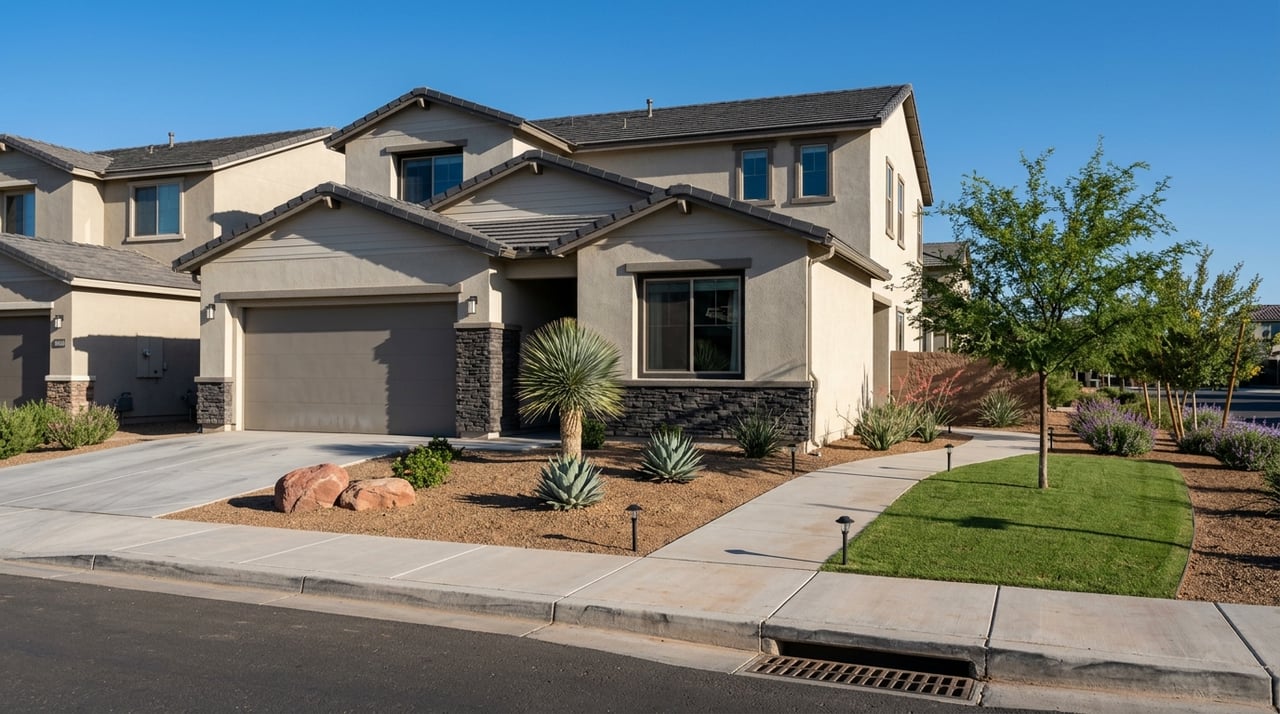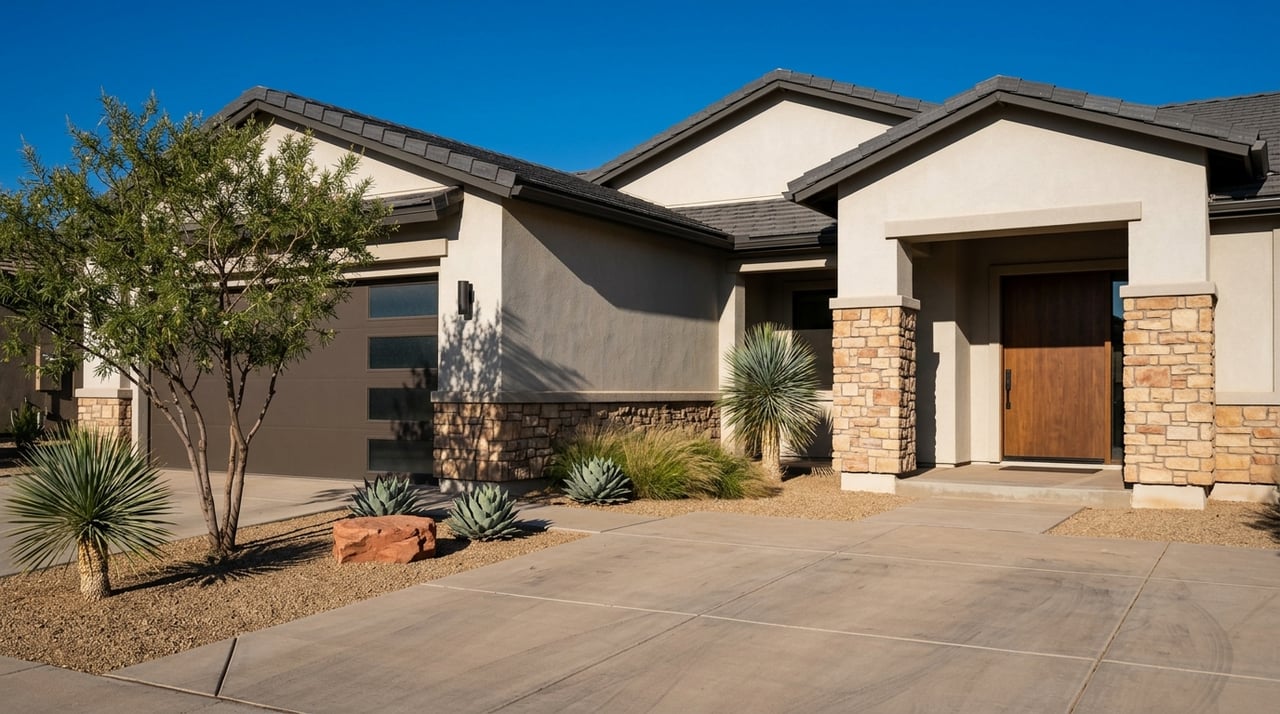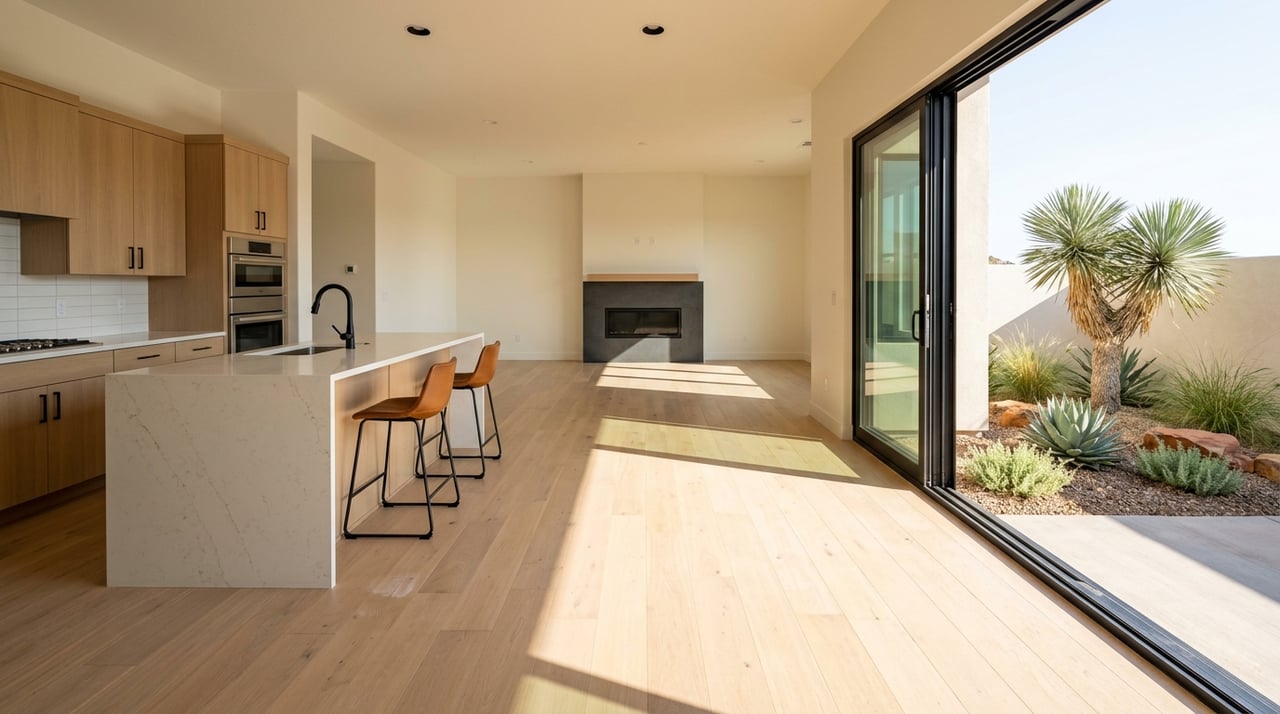
Buying a brand-new home in Cedar City can sound simple at first. You pick a floor plan, choose a lot, and wait for the keys. In reality, new construction often comes with different contracts, timelines, upgrades, and inspections than a resale home. If you want to make a smart move, it helps to understand how the process works before you tour communities or sign builder paperwork. Let’s dive in.
Why new construction appeals in Cedar City
Cedar City gives you a real choice between resale homes and new builds. Current market trackers place typical home values and sale prices in the low-to-mid $400,000s, with homes generally taking about 41 to 51 days to go pending or sell depending on the source and metric. That means you have options, but you still need to compare carefully.
New construction can offer modern layouts, builder warranties, and lower maintenance in the early years. Existing homes may offer faster move-in and more established surroundings. Neither path is automatically better, so your best choice depends on your timing, budget, and how much customization you want.
Start with financing first
Before you reserve a lot or fall in love with a floor plan, get your financing lined up. The CFPB recommends checking your credit, reviewing your finances, setting a budget, building your loan packet, and getting at least three preapprovals so you can compare terms. That gives you a clearer price range and helps you avoid surprises later.
This step matters even more with new construction because builder timelines and deposit requirements can move fast. If you wait until after you start touring, you may feel pressure to make a decision before you know what payment fits your budget. A solid financing plan helps you shop with confidence.
Compare Cedar City builders carefully
Not all Cedar City new-home communities work the same way. Local builder and community pages show a mix of models, including master-planned communities, buyer-direct communities, and more traditional inventory sold through standard listing channels. That means your buying process can look different from one neighborhood to the next.
For example, Chelsey describes a master-planned community with multiple homesteads and amenities like parks and trails. Magnolia Fields highlights a limited set of floor plans and included upgrades. Rose Bradley Homes markets several Cedar City communities with starting prices ranging from the mid-$300,000s to the low $500,000s, while Temple View Commons describes a buyer-direct process with attorney review of the purchase contract.
The key takeaway is simple: do not compare communities on headline price alone. What is included in one builder’s base price may be an extra-cost upgrade with another builder.
Questions to ask each builder
- What is included in the base price?
- Which finishes and features cost extra?
- Are lot premiums charged on certain homesites?
- Is the home already under construction, or are you building from the ground up?
- What is the estimated completion timeline?
- What deposits are required, and when do they become nonrefundable?
- Are there preferred lenders or incentives tied to using them?
- How does the warranty process work after closing?
Clarify representation early
One of the biggest mistakes buyers make with new construction is assuming the builder’s sales representative is there to advise them the same way a buyer’s agent would. In Utah, agency relationships should be disclosed in writing before a binding purchase or lease agreement, and the listing agent’s primary duty is to the seller. Simply walking into an open house does not automatically create an agency relationship.
That matters because the builder or listing side is aligned with the seller or builder. Your own representation keeps your interests separate and clear. In practice, a buyer’s agent can help you compare communities, track deadlines, organize paperwork, and coordinate the moving parts from contract to closing.
Understand the builder contract
New construction contracts are often different from resale contracts. You may see reservation agreements, builder addenda, upgrade forms, and stricter deadline language than you would with an existing home. That is why you should read every document carefully before you sign.
Temple View Commons offers one local example of a buyer-direct model that includes attorney review of the purchase contract. Even when that option is available, you still want to understand who represents you, what deadlines apply, and what happens if construction timing changes.
Contract details worth reviewing closely
- Earnest money and deposit terms
- Upgrade selections and pricing
- Estimated completion date
- Extension clauses for delays
- Financing deadlines
- Inspection access and walk-through timing
- Warranty terms and claim procedures
- What happens if materials or finishes change
Ask whether the lot is truly build-ready
In Cedar City, permit and site-readiness details can affect your timeline more than many buyers expect. The city requires building permits to be applied for online, and plan review starts only after a complete submittal. For residential new construction, required documents can include a site plan, architectural pages, prairie dog clearance, geotechnical or pre-construction documentation with an engineer’s stamp, and signed energy-code compliance documents when applicable.
You do not need to manage the permit file yourself in most cases, but you should ask early whether the lot is fully ready to build on. If site work, engineering, or required documentation is still pending, your construction schedule may not be as firm as it first appears.
Use the Utah Construction Registry
If you want a practical way to verify activity, check the Utah Construction Registry. Cedar City notes that you can search by issuing municipality and choose Cedar City or Iron County, and a basic search is available at no charge. This can help you confirm that permit activity has been submitted instead of relying only on verbal updates.
For buyers, this is a useful reality check. It does not replace direct updates from the builder, but it can give you another way to understand where a project stands.
Know the utility steps for new construction
Utilities can also affect timing. Cedar City lists separate requirements for gas and electric service on new construction homes, and the steps are more specific than many buyers expect.
For gas service, the city says a gas meter or mechanical permit may be required, along with gas piping and pressure testing, a gas-clearance form, and a gas-clearance inspection. For electric service, the city requires a building permit, Rocky Mountain Power work-order numbers, and an inspection scheduled with the work-order number included in the notes.
One especially important detail is that temporary and permanent power numbers do not interchange. If utility coordination gets delayed, your closing timeline can be affected. That is another reason to ask detailed timeline questions well before your expected move-in date.
Plan for an independent inspection
A brand-new home still needs an inspection. HUD explains that a home inspection is arranged by the buyer and is different from an appraisal. CFPB also advises scheduling the inspection early so there is time to address problems.
That advice applies to new construction just as much as resale. A new home can still have issues with workmanship, systems, finishes, or incomplete items. It is usually much easier to identify and resolve those concerns before closing than after you move in.
Common inspection checkpoints for new builds
- Incomplete or missing finish work
- HVAC, plumbing, or electrical issues
- Drainage or grading concerns
- Window and door operation
- Appliance installation status
- Safety items and code-related corrections
- Cosmetic damage before final walk-through
Read the warranty before you need it
Builder warranties are a major benefit of new construction, but you should know what they actually cover. The FTC says a builder warranty often covers workmanship and materials for one year, systems like HVAC, plumbing, and electrical for two years, and sometimes major structural defects for up to 10 years.
Just as important, warranties often have limits. The FTC notes that many do not cover appliances, minor cracks, or out-of-pocket costs like temporary housing during repairs. Some also require mediation or arbitration for disputes, so it is smart to read the process before closing instead of waiting until an issue comes up.
A simple habit can save you stress later: submit warranty claims in writing and keep records. That gives you a clear paper trail if repairs take longer than expected.
Compare new construction to resale honestly
New construction is appealing, but it is not the right fit for every buyer. In Cedar City’s current market, resale homes remain active competition, and they may offer faster occupancy or a different value equation depending on the property.
If you are deciding between the two, compare the full picture instead of just sticker price. A resale home may need updates, but a new build may come with lot premiums, upgrade costs, and a longer wait. Looking at total cost, timing, and condition side by side usually leads to a better decision.
A smart buying approach in Cedar City
If you want to buy new construction in Cedar City with fewer surprises, keep your process simple and organized. Start with financing, compare builders carefully, clarify representation before signing anything, and ask direct questions about contracts, permits, inspections, and utilities.
That kind of preparation helps you move from excitement to confidence. And when you have local guidance throughout the process, it becomes much easier to compare options, manage deadlines, and make sure the home you choose truly fits your goals.
If you are exploring new construction in Cedar City and want clear, local buyer guidance, connect with MarketPro Real Estate LLC. for responsive representation and practical support from search to closing.
FAQs
What does new construction in Cedar City usually cost?
- Local builder pages show advertised starting prices ranging from the mid-$300,000s to the low $500,000s in some Cedar City communities, while public market trackers place typical values and recent sale prices in the low-to-mid $400,000s.
Do you need a buyer’s agent for new construction in Utah?
- You are not required to use one, but Utah requires agency relationships to be disclosed in writing before a binding agreement, and a buyer’s agent helps keep your interests separate from the builder or seller side.
What should you ask a Cedar City builder before signing?
- Ask what the base price includes, which features are upgrades, whether there are lot premiums, what deposits are required, how delays are handled, and what warranty and inspection steps apply.
Can you inspect a brand-new home in Cedar City?
- Yes. A buyer-arranged inspection is separate from an appraisal and can help identify issues before closing, even on a newly built home.
How can you verify permit activity for a Cedar City new build?
- Cedar City says you can use the Utah Construction Registry, search by issuing municipality, and select Cedar City or Iron County to see submitted permit activity.
Why do utility details matter for a Cedar City new home?
- Cedar City has separate gas and electric service requirements for new construction, and delays with permits, inspections, or work-order coordination can affect the closing timeline.