Feeling stretched by a home that no longer fits your life can sneak up on you. Maybe the yard feels bigger every summer, the extra rooms sit mostly empty, or you are wondering how much equity you could free up without giving up comfort in Greater St. George. If you are thinking about downsizing, this guide will help you plan the move with clearer numbers, smarter timing, and features that make sense for life in southern Utah. Let’s dive in.
Why downsizing is rising in St. George
Downsizing is not just about moving into a smaller place. In Greater St. George, it is often about simplifying your day-to-day life while making the most of the value you have built in your current home. That can mean less maintenance, lower monthly costs, and a home that feels easier to manage.
The local numbers help explain why this topic matters. Washington County’s 2025 population estimate is 213,670, up 18.5% from 2020, and 22.4% of county residents are 65 or older. In St. George, 21.8% of residents are 65 or older, which means many homeowners are at a stage where a right-sized move becomes a practical next step.
Many owners may also have substantial equity. Median owner-occupied housing values are $510,700 in Washington County and $496,100 in St. George. That does not guarantee a large payout after closing, but it does mean many long-time homeowners have a strong reason to explore their options.
Start with your equity picture
Before you look at smaller homes, get clear on what you may actually keep after the sale. Your home’s value is only part of the equation. What matters most is your likely net proceeds after payoff and sale costs.
A simple planning framework looks like this:
- Estimated sale price
- Minus mortgage payoff
- Minus selling costs
- Minus moving expenses
- Minus any repairs, updates, or concessions
- Equals estimated net proceeds
This first estimate does not have to be perfect. It just needs to be realistic enough to help you decide what price range for your next home makes sense. MarketPro Real Estate offers an instant home valuation tool and consultation option, which can be a helpful starting point before a full comparative market analysis or appraisal.
Even if your current home is paid off, ownership still carries ongoing costs. In Washington County, the median selected monthly owner cost without a mortgage is $536. That is one reason many owners decide to compare their current carrying costs with what a smaller, lower-upkeep home might look like.
Understand local property value and taxes
If you are planning a move, it helps to know how property value is handled locally. Washington County appraises real property at 100% of market value as of January 1 each year. The county mails a Notice of Property Valuation and Tax Change at the end of July.
That notice includes the current market value, estimated taxes, and instructions for appealing the value to the Board of Equalization if needed. If you are trying to estimate costs for your current home or your next one, that notice can be an important planning tool.
Utah also offers a primary residential exemption that generally excludes 45% of the fair market value of a qualifying primary residence from taxation. In practical terms, the taxable value is usually 55% of market value. Part-year residential property can qualify if it is used as a primary residence for 183 or more consecutive calendar days during the year.
Will you owe capital gains tax?
This is one of the biggest downsizing questions, especially if you have owned your home for many years. Many homeowners can exclude up to $250,000 of gain from federal tax, or up to $500,000 on a joint return, if they owned and used the home as their main residence for at least 24 months during the previous 5 years.
That said, every situation is different. If part of your home was used for business or rental purposes, additional IRS reporting can apply. A CPA should review your details early, especially if your gain may be large or your home had mixed personal and non-personal use.
It is also important to remember that a loss on the sale of a personal residence is generally not deductible. For that reason, it helps to look at the sale through a full planning lens, not just a headline price.
Pick a right-sized home, not just a smaller one
The best downsizing move is not always the smallest home you can find. In Greater St. George, a better goal is often a right-sized home that supports how you want to live now. That means choosing enough space for guests, hobbies, storage, or future flexibility, while cutting back on the parts of homeownership that feel like work.
Focus on practical features before square footage alone. The layout, upkeep, and utility performance of the home may matter more than the number on the listing sheet.
Features that matter in St. George
St. George’s climate should shape your wish list. NOAA climate normals for the local station show an average July daily maximum of 101.9°F and a June average daily maximum of 96.4°F. In that kind of heat, cooling efficiency and shade are not small details.
As you compare homes, pay close attention to:
- Efficient cooling systems
- Good insulation and window performance
- Covered patios or shaded outdoor areas
- Easy indoor-outdoor flow
- Minimal stairs if accessibility is a concern
- Enough storage for the items you plan to keep
- Practical guest space for visiting family or friends
- Parking that fits your needs
- Manageable HOA obligations and fees
A smaller home that runs hot, lacks storage, or creates new maintenance headaches may not feel like a step forward. The goal is to lower the workload without lowering your day-to-day comfort.
Water-wise living matters too
Water use is another major local factor. Washington County Water Conservancy District says Washington County is the driest county in Utah. The district also reports a 50% reduction in per-capita water use since 2000 and says more than 3 million square feet of grass has been replaced with water-efficient landscaping since 2023.
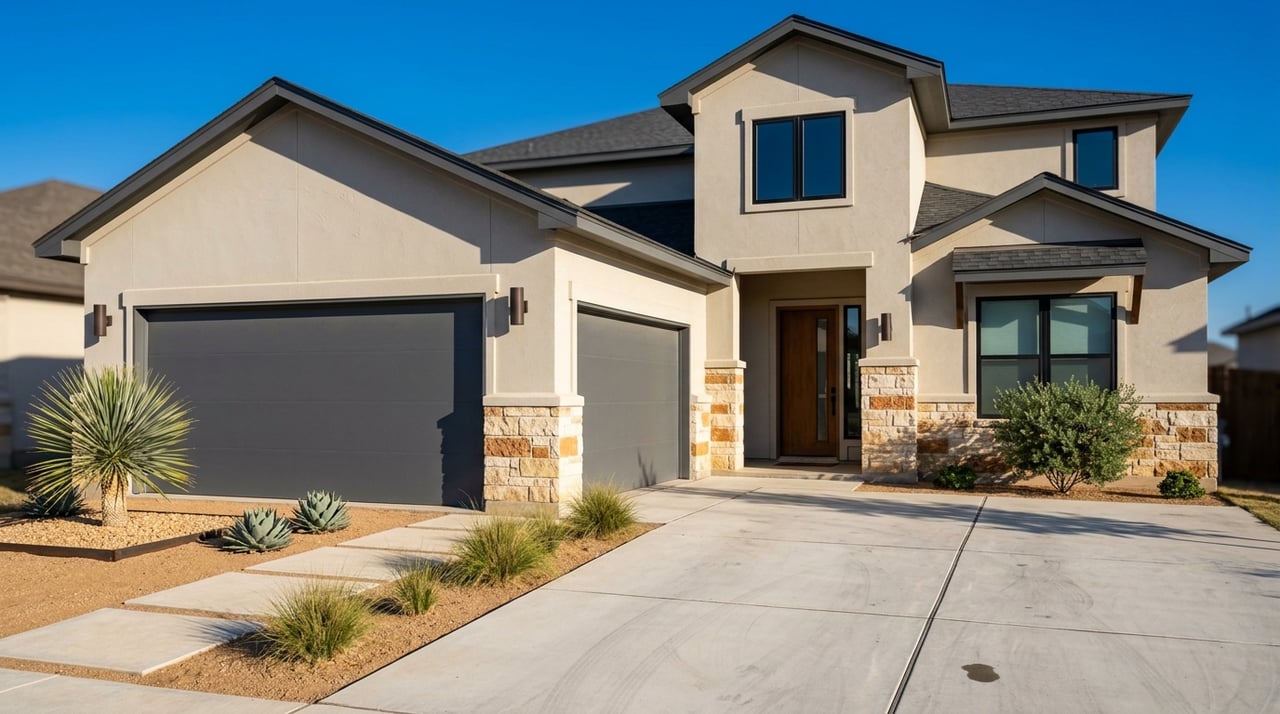
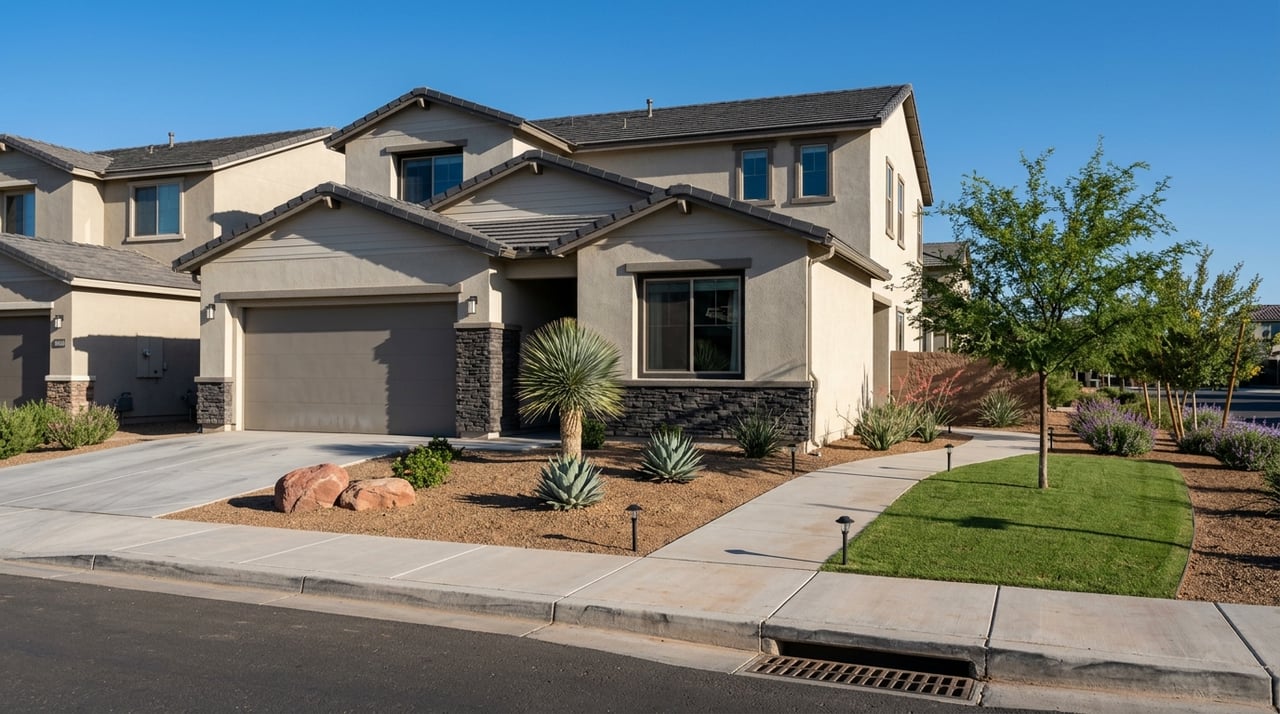
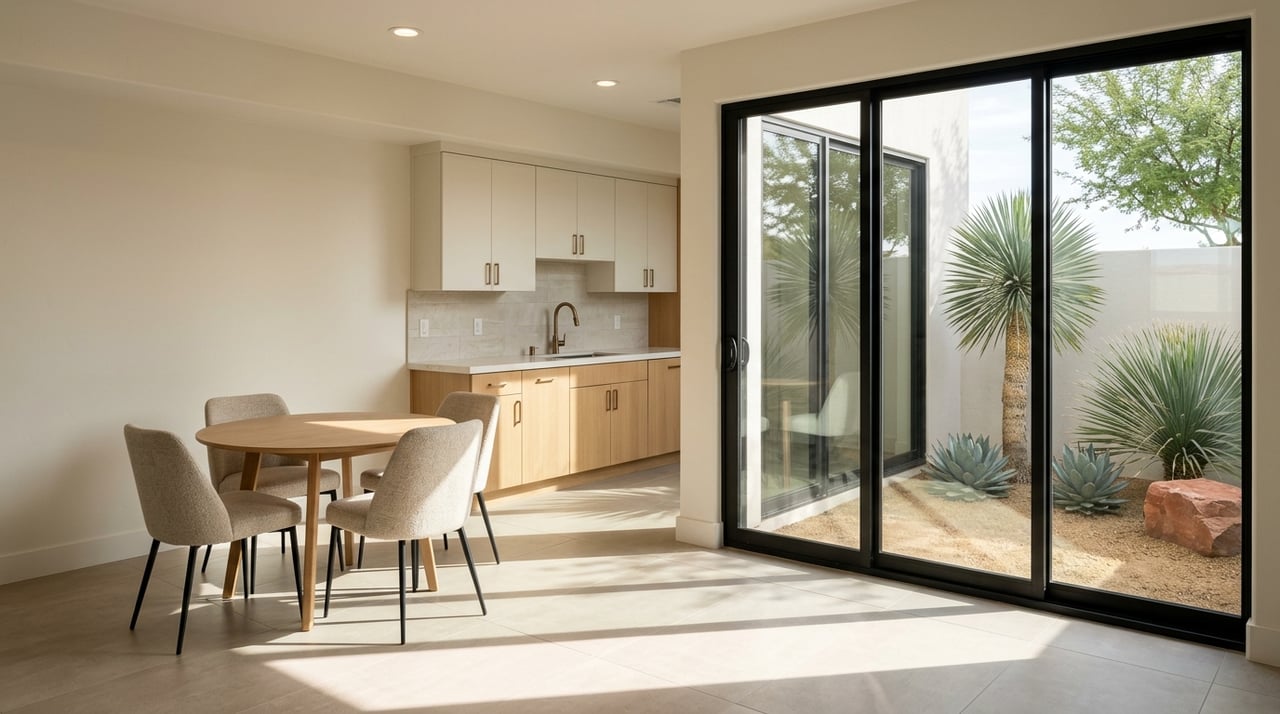
That makes low-water landscaping especially appealing for many downsizers. Smaller irrigated areas, drip systems, less lawn, and water-wise plantings can all reduce upkeep and support lower outdoor water demands. Utah law also says a municipality may not prohibit a property owner from incorporating water-wise landscaping.
If yard work is one of the reasons you want to move, look closely at the landscape plan before you buy. A home with a compact yard and efficient irrigation may fit your goals far better than a property with large turf areas that need regular care.
Time your sale with a plan
In today’s St. George market, you do not need to assume your home will sell overnight. Recent resale data shows a median sale price of $539,177 over the last 3 months ending May 2026, up 4.7% year over year. Homes are averaging 54 days on market, receiving about 2 offers per home, and selling at a 98.0% sale-to-list ratio.
That creates opportunity, but it also rewards preparation. Homes are selling in an active market, yet not at a pace where you should build your plan around a same-week closing. Strong pricing and presentation still matter.
For many homeowners, the better approach is to decide on a sequence before listing.
Sell first, buy first, or bridge the gap?
Each option has tradeoffs, and your comfort with risk matters.
Sell first can give you the clearest budget for your next home. You know your proceeds, your timing, and how much cash you can carry into the next purchase. The tradeoff is that you may need temporary housing or a rent-back arrangement while you shop.
Buy first can reduce the stress of moving twice. But it may also require more cash flexibility and confidence in carrying two homes for a period of time. That path works best when you have strong reserves and a clear plan.
Bridge strategies can help if you want more control between closings. Depending on your situation, that may mean temporary housing, negotiated post-closing occupancy, or other transition planning. The key is deciding early rather than waiting until your home is under contract.
Build your downsizing team early
You do not need every answer before you start, but you do need the right order of operations. A few early conversations can save you time and stress later.
A strong first-step checklist includes:
- Get a home value estimate.
- Review your mortgage payoff.
- Estimate selling and moving costs.
- Talk with a CPA about possible tax exposure.
- Define the must-have features for your next home.
- Decide whether you want to sell first or buy first.
If you are unsure who to talk to first, start with your real estate agent for pricing, timing, and sale strategy. Bring in a CPA early if capital gains, business use, or rental use may affect the sale. A lender can help if you are buying before selling or want to understand financing options for the next purchase.
For some homeowners, local tax relief may also be worth reviewing before making a final timeline. Washington County lists property tax relief programs, including a deferral option for some homeowners age 75 or older. Because eligibility and deadlines are locally administered, it is smart to check with the county auditor or treasurer early.
Presentation still drives results
If your goal is to downsize well, the sale side matters just as much as the purchase side. In a market where homes are averaging 54 days on market and selling near list price, strategic presentation can help you protect your equity and improve your options for the next move.
That includes pricing based on recent comparable sales, preparing the home thoughtfully, and marketing it in a way that reaches the right buyers. For sellers in Greater St. George, that kind of planning can make the move feel more controlled and less reactive.
Downsizing should leave you with more freedom, not more uncertainty. When you understand your likely proceeds, your tax considerations, your ideal next-home features, and your move timing, you can make decisions with much more confidence.
If you are thinking about downsizing in Greater St. George, MarketPro Real Estate LLC. can help you estimate your home’s value, build a smart sale strategy, and plan your next move with a local, results-driven approach.
FAQs
How much equity can you keep when downsizing in St. George?
- Your estimated equity depends on your sale price minus mortgage payoff, selling costs, moving expenses, and any repair or concession costs.
Will you owe federal capital gains tax after selling your St. George home?
- Many homeowners can exclude up to $250,000 of gain, or $500,000 on a joint return, if they meet the main-home ownership and use tests for at least 24 months during the previous 5 years.
Should you buy another home before selling your current St. George home?
- That depends on your cash flexibility, comfort with timing risk, and whether you want the certainty of selling first or the convenience of securing your next home first.
What downsizing features matter most in Greater St. George?
- Efficient cooling, shade, manageable outdoor space, storage, accessible layout, practical guest space, and realistic upkeep needs are especially important in the local heat and dry climate.
Who should review your downsizing plan first in Washington County?
- Start with a real estate agent for pricing and move strategy, then involve a CPA early if you have tax questions, especially if the home had business or rental use.